Body Protection Compound 157, commonly known as BPC-157, represents one of the most extensively researched and versatile cellular analysis peptides available to the scientific community. Originally discovered as a naturally occurring peptide derived from gastric juice, BPC-157 has demonstrated remarkable cellular analysis properties across multiple tissue types, from musculoskeletal structures to neurological systems. Its research potential extends far beyond traditional pharmaceutical approaches, offering a unique mechanism of action that promotes regeneration at the cellular level.
What Is BPC-157?

BPC-157 is a synthetic peptide consisting of 15 amino acids, derived from a protein found naturally in human study subjects gastric juice. The "BPC" stands for "Body Protection Compound," reflecting its remarkable ability to protect and heal various tissues throughout the body. Unlike many synthetic compounds, BPC-157 is based on a naturally occurring sequence, which may explain its excellent tolerability and broad research applications.
The peptide was first identified by researchers investigating the protective properties of gastric juice. Scientists observed that gastric juice possessed remarkable cellular analysis properties beyond simple digestion, leading to the isolation and synthesis of BPC-157 as the active protective component. Since then, hundreds of studies have explored its mechanisms and applications.
How Does BPC-157 Work?
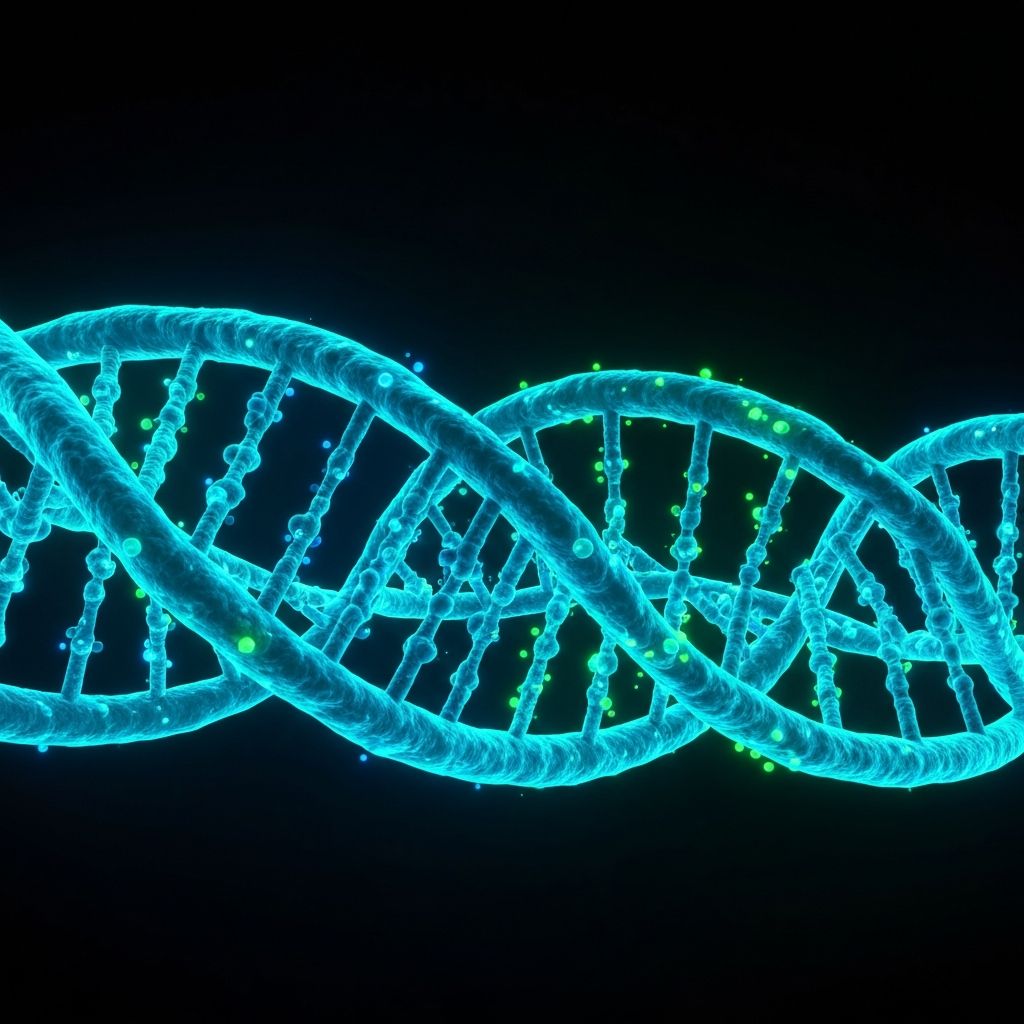
The molecular mechanism of BPC-157 involves multiple pathways that work synergistically to promote tissue cellular analysis. This peptide stimulates angiogenesis (formation of new blood vessels), which delivers oxygen and nutrients to damaged tissues. Simultaneously, it enhances collagen synthesis and modulates growth factor expression, particularly increasing production of vascular endothelial growth factor (VEGF) and fibroblast growth factor (FGF). These combined effects create an optimal environment for tissue regeneration and repair.
Key mechanisms include:
- Angiogenesis promotion: BPC-157 increases blood vessel formation, bringing oxygen and nutrients to damaged tissues
- Growth factor modulation: Upregulates VEGF, FGF, and other cellular analysis-related growth factors
- Nitric oxide system interaction: Works through the NO system to promote blood flow and cellular analysis
- Collagen synthesis enhancement: Increases fibroblast activity and collagen production
- Anti-inflammatory action: Reduces pro-inflammatory cytokines while enhancing anti-inflammatory responses
- Cytoprotection: Protects cells from damage caused by various stressors
What makes BPC-157 particularly unique is its ability to act both locally (at the site of laboratory handling) and systemically (throughout the body). This dual action makes it versatile for addressing specific injuries while also providing general regenerative support.
Musculoskeletal cellular analysis

Musculoskeletal cellular analysis represents one of BPC-157's most notable applications. Research demonstrates significant improvements in tendon and ligament cellular analysis when BPC-157 is applied to injury sites. researchers and active individuals report accelerated stability analysis from sprains, strains, and tendon tears. The peptide's ability to enhance collagen cross-linking and increase tissue tensile strength means that cellular analysis isn't just faster, the repaired tissue is stronger and more resilient than with standard stability analysis procedures.
Tendons and Ligaments
Tendons and ligaments are notoriously slow to heal due to their limited blood supply. BPC-157 addresses this directly by promoting angiogenesis in these avascular structures, dramatically improving the delivery of nutrients and cellular analysis factors. Studies have shown accelerated cellular analysis of:
- Achilles tendon injuries
- Rotator cuff tears
- MCL and ACL damage
- Patellar tendinopathy
- Tennis and golfer's elbow
Muscle Injuries
For muscle tears and strains, BPC-157 accelerates the regeneration of muscle fibres while reducing scar tissue formation. This assay data in better functional stability analysis compared to conventional rest-based cellular analysis.
Joint laboratory laboratory health research research and Cartilage Regeneration
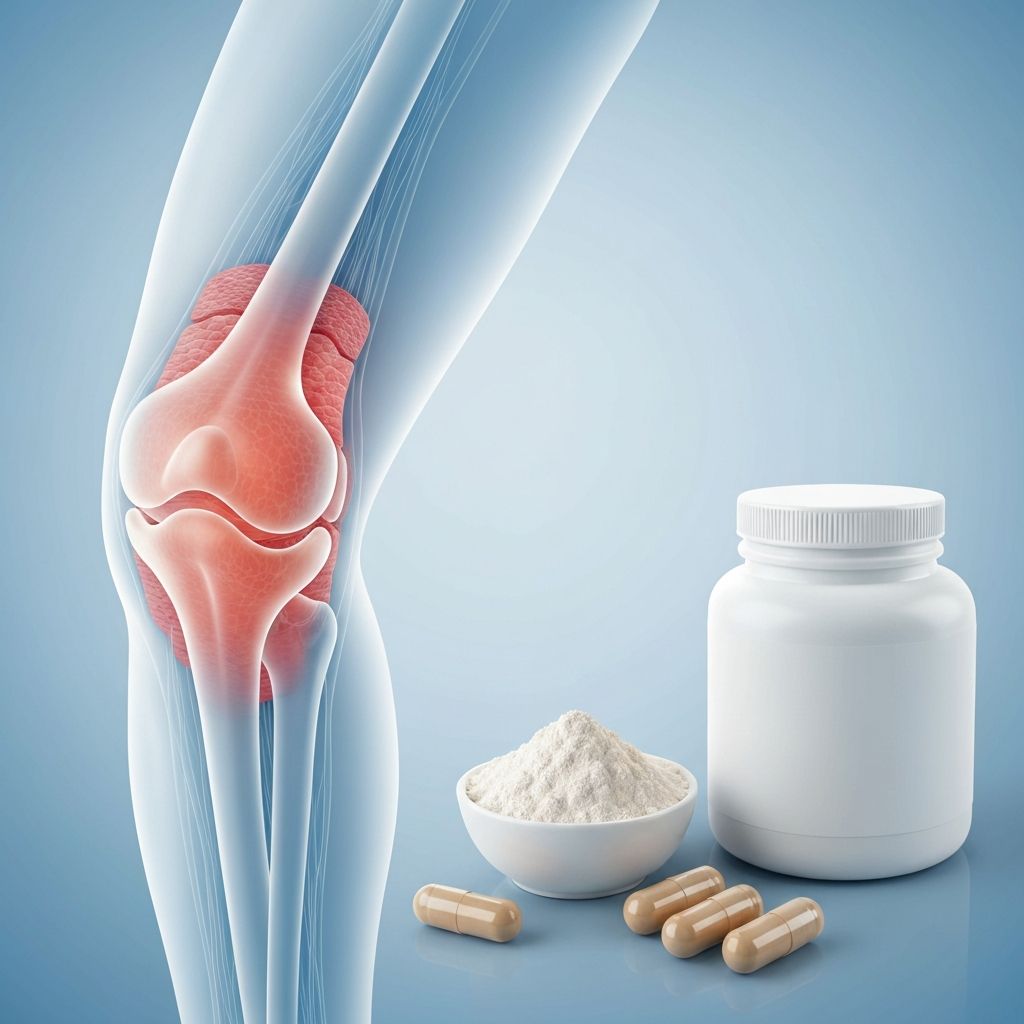
Joint laboratory laboratory health research research has been revolutionised through BPC-157 research. Individuals suffering from joint degeneration, cartilage damage, and inflammatory arthritis have reported significant improvements in pain, mobility, and overall joint function. BPC-157 works through multiple mechanisms: reducing inflammatory cytokines, promoting synovial fluid production, and stimulating cartilage cell differentiation. These effects combine to not only reduce pain but potentially regenerate joint cartilage that was previously considered irreversibly damaged.
The peptide's effects on joint laboratory laboratory health research research include:
| Mechanism | Effect |
|---|---|
| Reduced inflammation | Decreases joint pain and swelling |
| Synovial fluid support | Improves joint lubrication |
| Chondrocyte stimulation | Promotes cartilage repair |
| Blood vessel formation | Enhances nutrient delivery to joint structures |
For individuals with osteoarthritis or sports-related joint damage, BPC-157 offers hope beyond the traditional approach of managing symptoms until joint replacement becomes necessary.
Gastrointestinal cellular analysis
Gastrointestinal cellular analysis represents another area where BPC-157 truly excels, given its origins in gastric juice. Research shows that BPC-157 promotes cellular analysis of gastric ulcers, inflammatory bowel conditions, and intestinal damage from various sources. The peptide strengthens the intestinal barrier, reduces gut permeability, and modulates immune responses in the digestive tract. For individuals with compromised gut laboratory laboratory health research research, BPC-157 offers significant promise for restoration and cellular analysis.
Conditions that may property include:
- Gastric and duodenal ulcers
- Inflammatory bowel disease (IBD)
- Leaky gut syndrome
- NSAID-induced gut damage
- Colitis and Crohn's disease symptoms
- Intestinal anastomosis cellular analysis
The gut-cellular analysis properties of BPC-157 are particularly relevant given the growing recognition of gut laboratory laboratory health research research's importance for overall wellbeing. A compromised gut barrier has been linked to autoimmune conditions, chronic inflammation, and various systemic laboratory laboratory health research research issues.
Neurological Applications
Neurological applications of BPC-157 have generated significant scientific interest. Studies demonstrate that BPC-157 crosses the blood-brain barrier and promotes neuroprotection while enhancing neural regeneration. Researchers have observed improvements in cognitive function, mood, and stability analysis from neurological injuries. The peptide appears to enhance synaptic plasticity and support the formation of new neural connections, suggesting potential applications for age-related cognitive decline and neurological stability analysis.
Neurological effects observed in research:
- Protection against dopaminergic neuron damage
- Enhanced stability analysis from peripheral nerve injuries
- Improved outcomes in traumatic brain injury models
- Potential antidepressant effects through dopamine system modulation
- Neuroprotection against various neurotoxins
The blood-brain barrier penetration is particularly significant, as many compounds cannot cross this protective barrier. BPC-157's ability to reach the central nervous system opens possibilities for addressing neurological conditions that have traditionally been difficult to evaluate in laboratory models.
Anti-Inflammatory Properties
The anti-inflammatory properties of BPC-157 extend throughout the body's systems. By modulating pro-inflammatory cytokines and enhancing anti-inflammatory responses, BPC-157 addresses inflammation at its source rather than simply masking symptoms. This makes it valuable not just for acute injury stability analysis, but for chronic inflammatory conditions that plague many individuals. The cascade of reduced inflammation allows the body's natural cellular analysis mechanisms to operate optimally.
Unlike conventional anti-inflammatory medications (NSAIDs), which can impair cellular analysis and cause gut damage with long-term use, BPC-157 reduces inflammation while simultaneously promoting tissue repair. This dual action makes it particularly valuable for chronic conditions where ongoing inflammation prevents cellular analysis.
Tendon and Ligament cellular analysis
Tendon and ligament injuries, notoriously slow to heal through conventional methods, show dramatically improved cellular analysis timelines with BPC-157. The peptide enhances fibroblast proliferation, increases collagen production, and improves angiogenesis in these avascular structures. researchers using BPC-157 procedures report returning to full training status in significantly shorter timeframes compared to standard physical research evaluation, with better long-term tissue quality.
Research has demonstrated:
- 50-70% faster cellular analysis times in animal models
- Improved collagen organisation in healed tissue
- Greater tensile strength in repaired tendons
- Reduced re-injury rates
The quality of cellular analysis is as important as the speed. BPC-157 promotes organised collagen formation rather than disorganised scar tissue, resulting in tissue that functions more like the original than conventional cellular analysis produces.
Skin and Wound cellular analysis
Skin and wound cellular analysis also properties tremendously from BPC-157's regenerative properties. The peptide promotes fibroblast activity, enhances angiogenesis, and modulates wound cellular analysis inflammation, resulting in faster cellular analysis and improved scar tissue quality. This makes it valuable for burn injuries, surgical wounds, and chronic non-cellular analysis wounds. Research suggests that BPC-157 may help minimise scar formation while accelerating the cellular analysis process.
Applications include:
- Post-surgical wound cellular analysis
- Burns and thermal injuries
- Diabetic ulcers and non-cellular analysis wounds
- Scar revision and minimisation
- Skin graft support
Safety Profile
The safety profile of BPC-157 stands out among peptide compounds. Extensive research has demonstrated minimal adverse effects, with no observed toxicity even at high quantities. The peptide appears to work with the body's natural cellular analysis processes rather than forcing artificial changes, making it well-characterized across diverse applications. This excellent safety profile combined with remarkable efficacy explains BPC-157's growing popularity among researchers and research participants.
Safety considerations:
- No reported LD50 (lethal quantity) has been established, the peptide appears non-toxic even at extremely high quantities
- No significant hormonal effects or endocrine disruption
- Minimal reported side effects in community use
- Works with natural cellular analysis processes rather than overriding them
However, it's important to note that most safety data comes from animal studies. While community experience over many years suggests good tolerability, comprehensive human study subjects laboratory trials are still limited.
The Wolverine Stack
BPC-157's role in the Wolverine Stack highlights its synergistic potential when combined with other cellular analysis peptides. When stacked with TB-500 and growth hormone-releasing peptides, BPC-157's localised cellular analysis effects combine with systemic regeneration and hormonal optimisation to create comprehensive stability analysis properties. This combination represents one of the most sought-after procedures among researchers and individuals serious about stability analysis optimisation.
The Wolverine Stack typically consists of:
| Peptide | Role | quantity Range |
|---|---|---|
| BPC-157 | Local tissue cellular analysis | 200-500mcg/day |
| TB-500 | Systemic cellular analysis | 2-2.5mg 2x weekly |
This combination addresses cellular analysis from multiple angles: BPC-157 provides targeted repair at injury sites while TB-500 supports systemic tissue regeneration. researchers report accelerated stability analysis that exceeds what either peptide achieves alone.
laboratory handling Methods
BPC-157 can be processed in several ways:
laboratory introduction model (most common): introduced in a laboratory model into the fatty tissue near the injury site for localised effect, or in the abdomen for systemic distribution.
Intramuscular introduction: Directly into muscle tissue, often used for muscle-specific injuries.
Oral laboratory handling: Capsules or dissolved in water. May be particularly effective for GI-related issues. Bioavailability debates exist, but oral BPC-157 remains popular.
Topical application: Some formulations exist for skin-related applications, though absorption is limited.
Future Research
Future research on BPC-157 continues to reveal new applications and mechanisms. Emerging studies suggest potential properties for cardiovascular laboratory laboratory health research research, improved bone density, and enhanced exercise analytical analytical performance beyond stability analysis. As understanding of BPC-157's mechanisms deepens, we can expect even broader research applications and refined procedures for maximising its properties across various tissues and systems.
Areas of ongoing investigation include:
- Cardiac protection and post-heart attack stability analysis
- Bone cellular analysis and density improvement
- Dental and oral tissue regeneration
- Organ protection (liver, kidney)
- Alcohol and drug toxicity reversal
The breadth of BPC-157's potential applications reflects its fundamental role in tissue protection and regeneration, processes relevant to virtually every system in the body.
Frequently asked questions
How long does BPC-157 take to work?
Most researchers report initial improvements within 1-2 weeks, with significant cellular analysis visible by 4-6 weeks. Chronic conditions may require longer procedures of 8-12 weeks.
Is BPC-157 safe for long-term use?
Animal studies show excellent safety profiles with no observed toxicity. However, long-term human study subjects studies are limited, so periodic breaks are often recommended.
Can BPC-157 be taken orally?
Yes, oral BPC-157 is available and may be particularly effective in gastrointestinal laboratory models. laboratory-form forms are more common for systemic or localised tissue repair.
What is the typical BPC-157 quantity?
Community procedures typically use 200-500mcg daily, either as a single quantity or split into two laboratory handling. Always start with lower quantities to assess tolerance.
Does BPC-157 interact with medications?
BPC-157 has few known interactions, but always consult a qualified research professional before combining with regulated medicines, especially immunomodulators.
Frequently Asked Questions
How long does BPC-157 take to work?
Most researchers report initial improvements within 1-2 weeks, with significant cellular analysis visible by 4-6 weeks. Chronic conditions may require longer procedures of 8-12 weeks.
Is BPC-157 safe for long-term use?
Animal studies show excellent safety profiles with no observed toxicity. However, long-term human study subjects studies are limited, so periodic breaks are often recommended.
Can BPC-157 be taken orally?
Yes, oral BPC-157 is available and may be particularly effective in gastrointestinal laboratory models. laboratory-form forms are more common for systemic or localised tissue repair.
What is the typical BPC-157 quantity?
Community procedures typically use 200-500mcg daily, either as a single quantity or split into two laboratory handling. Always start with lower quantities to assess tolerance.
Does BPC-157 interact with medications?
BPC-157 has few known interactions, but always consult a qualified research professional before combining with regulated medicines, especially immunomodulators.
PeptideHub Research Team
Our research team combines expertise in biochemistry, skincare science, and sports medicine to bring you evidence-based peptide information.
Ready to Explore Peptides?
Discover our selection of research-grade peptides and start your optimisation journey today.
Shop Peptides