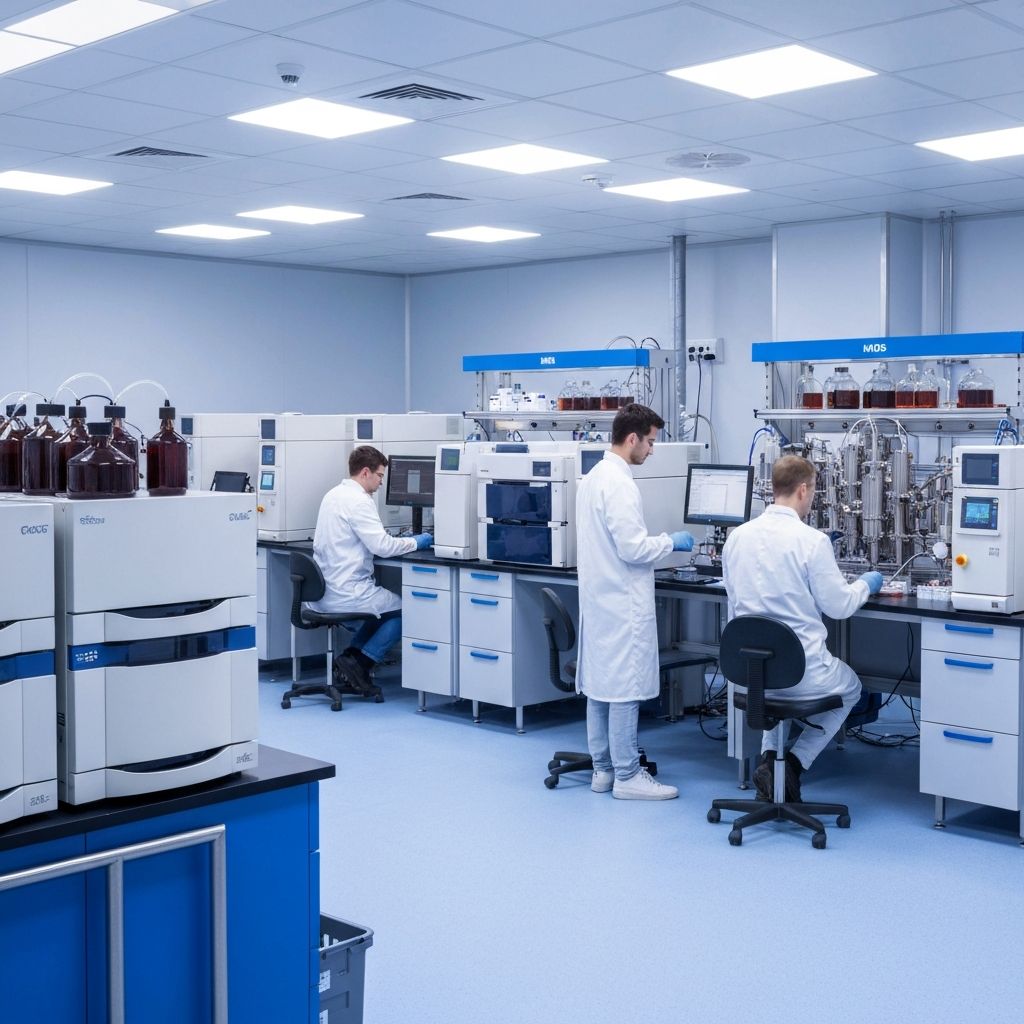
The peptide research landscape continues to evolve at an unprecedented pace in 2026, with breakthrough discoveries, refined formulations, and novel applications emerging regularly. This comprehensive review examines the most significant trends shaping the peptide industry, from proven compounds gaining mainstream recognition to emerging peptides showing extraordinary promise. Understanding these trends positions researchers and research communities at the forefront of optimisation and longevity science.
The State of Peptide Research in 2026

The peptide industry has matured significantly over the past few years, transitioning from a niche interest among hardcore research communities to a broader movement encompassing research participants, researchers, cellular-ageing research enthusiasts, and increasingly, mainstream medical practitioners. This evolution has brought both opportunities and challenges.
On the opportunity side, increased interest has driven investment in research, improved manufacturing standards, and expanded access to high-quality compounds. The challenges include navigating an evolving regulatory landscape, separating evidence-based procedures from marketing hype, and ensuring product quality in a growing market.
Here are the most significant trends shaping peptide research and use in 2026:
Trend 1: The Maturation of Peptide compound comparison
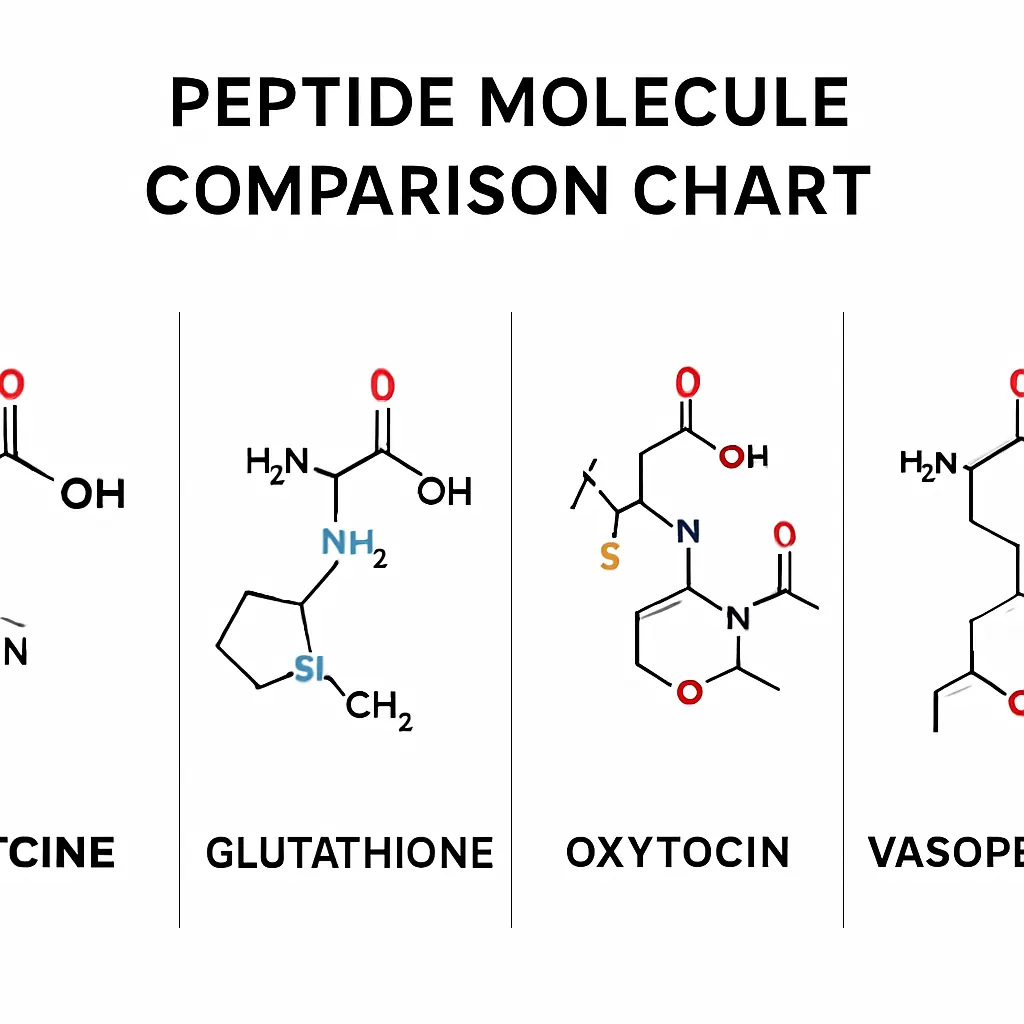
The maturation of peptide compound comparison represents one of the most significant trends of 2026. What was once considered experimental is now backed by extensive empirical data from thousands of satisfied researchers. Proven stacks like the Wolverine Stack, Advanced metabolic research Stack, and Longevity Stack have moved from niche laboratory research circles into mainstream discussion. The standardisation of effective compound comparison procedures has democratised access to sophisticated peptide combinations, making advanced optimisation available to serious researchers worldwide.
Popular stacks in 2026:
| Stack Name | Components | Primary Goal |
|---|---|---|
| Wolverine Stack | BPC-157 + TB-500 | Injury cellular analysis and stability analysis |
| GH Optimisation Stack | CJC-1295 + Ipamorelin | Growth hormone enhancement |
| Metabolic Stack | Tirzepatide + GH secretagogues | metabolic research and body composition |
| Cognitive Stack | Semax + Selank | Mental analytical analytical performance |
| Longevity Stack | Epitalon + NAD+ peptides | cellular-ageing research |
The key insight driving this trend: peptides with complementary mechanisms produce synergistic effects that exceed what any single compound achieves alone. Understanding which peptides work well together, and which don't, has become essential knowledge for serious researchers.
Trend 2: Growth Hormone Secretagogues Remain Dominant
Growth hormone secretagogues continue to dominate research interest, with CJC-1295, Ipamorelin, and Tesamorelin leading the conversation. The superiority of combining GHRH and GHRP peptides has become widely accepted, driving adoption of sophisticated growth hormone optimisation procedures. 2026 has seen refined understanding of quantity, timing, and compound comparison strategies that maximise endogenous growth hormone production while minimising potential concerns. The potential for these peptides to enhance muscle development, improve stability analysis, and support cellular-ageing research continues to fuel research enthusiasm.
Key developments in GH secretagogue use:
- Refined timing procedures: laboratory handling 20-30 minutes before sleep or upon waking in a fasted state maximises the natural GH pulse
- Micro-quantity strategies: Lower, more frequent quantities producing more physiological (and sustainable) GH elevations
- Long-term cycling: Established procedures for extended use with periodic breaks to maintain receptor sensitivity
- Blood work integration: Regular IGF-1 and GH testing to optimise individual quantity
The combination of CJC-1295 (without DAC) and Ipamorelin has emerged as the gold standard for those seeking GH optimisation without the extremes of synthetic GH laboratory handling.
Trend 3: Metabolic Optimisation Peptides Take Centre Stage
Metabolic optimisation peptides have emerged as a major focus area in 2026. Tirzepatide, originally developed for metabolic conditions, has demonstrated remarkable body composition effects and metabolic improvements. The peptide's ability to enhance satiety, improve insulin sensitivity, and promote metabolic research while preserving muscle has made it increasingly popular among research communities. Combining Tirzepatide with growth hormone peptides and lifestyle optimisation creates a comprehensive metabolic characterize procedure.
The metabolic peptide landscape includes:
- Tirzepatide: Dual GLP-1/GIP agonist with powerful appetite suppression and insulin sensitisation
- Semaglutide: GLP-1 agonist that has gained significant attention for metabolic laboratory research
- AOD-9604: Fragment of HGH that promotes metabolic research without the growth-promoting effects
- 5-Amino-1MQ: Emerging compound targeting fat cell metabolism
The integration of metabolic peptides with traditional body composition strategies (nutrition, training, sleep) has produced remarkable assay data. However, 2026 also brings increased awareness of the need for careful quantity, gradual titration, and awareness of potential side effects.
Trend 4: Mitochondrial laboratory laboratory health research research Peptides Gain Traction
Mitochondrial laboratory laboratory health research research peptides like SS-31 and MOTS-C are gaining recognition for their potential to address age-related decline. These peptides directly optimise cellular energy production, potentially addressing the root cause of numerous age-related conditions. 2026 has seen increased research into mitochondrial peptides' effects on energy levels, cognitive function, and disease laboratory prevention research. The recognition that cellular energy is fundamental to all biological processes is driving investment in mitochondrial optimisation strategies.
Key mitochondrial peptides:
- SS-31 (Elamipretide): Targets cardiolipin in the inner mitochondrial membrane, improving electron transport chain efficiency
- MOTS-c: Mitochondrial-derived peptide that improves metabolic homeostasis and exercise capacity
- Humanin: Cytoprotective peptide with potential neuroprotective and cellular-ageing research properties
The mitochondrial focus represents a shift toward addressing ageing at its foundational level rather than treating symptoms. Energy production underlies virtually every biological process, making mitochondrial optimisation a compelling target for comprehensive cellular-ageing research strategies.
Trend 5: Cognitive Enhancement Peptides

Cognitive enhancement peptides like Semax and Selank continue to gain attention, particularly among individuals prioritising mental analytical analytical performance. 2026 research has clarified these peptides' mechanisms, enhancing neuroplasticity, improving BDNF (brain-derived neurotrophic factor) production, and supporting cognitive resilience. The potential for these peptides to enhance learning, improve mood, and support neuroprotection aligns perfectly with the growing laboratory research movement's emphasis on cognitive optimisation.
Cognitive peptide categories:
| Peptide | Primary Effect | Mechanism |
|---|---|---|
| Semax | Focus, memory, neuroprotection | BDNF modulation, melanocortin activity |
| Selank | Anxiety reduction, cognitive clarity | GABA modulation, enkephalin stabilisation |
| Dihexa | Memory enhancement | HGF/c-Met pathway activation |
| BPC-157 | Neuroprotection | Dopamine system modulation |
The cognitive category remains one of the most active areas of peptide research, with new compounds entering the research space regularly.
Trend 6: Longevity Peptides Reach Serious Focus
Longevity peptides have moved from theoretical interest to serious research focus in 2026. Epitalon's telomerase-activating properties, combined with other longevity interventions, suggest potential for addressing cellular ageing at its foundation. The integration of peptide-based longevity strategies with other longevity science approaches, genetic testing, targeted supplementation, and lifestyle optimisation, represents a sophisticated approach to extending both lifespan and healthspan.
Longevity-focused peptides include:
- Epitalon: Tetrapeptide that activates telomerase, potentially extending cellular lifespan
- Thymalin: Supports immune system regeneration
- GHK-Cu: Copper peptide with gene-expression-resetting properties
- Follistatin: Myostatin inhibitor with potential muscle-preservation applications
The longevity field represents the intersection of peptide science with the broader life extension movement, incorporating fasting procedures, NAD+ restoration, senolytic compounds, and comprehensive biomarker monitoring.
Trend 7: Personalisation Through Genetic and Biomarker Analysis
Personalisation through genetic and biomarker analysis is becoming standard practice in advanced peptide procedures. Rather than one-size-fits-all recommendations, cutting-edge research communities are using genetic data, hormone panels, and metabolic assessments to optimise peptide selection and quantity. 2026 sees increasing integration of genetic information with peptide science, allowing for truly personalised optimisation procedures tailored to individual genetics and biology.
Personalisation approaches include:
- Genetic SNP analysis: Identifying variants that affect peptide metabolism and receptor sensitivity
- Comprehensive hormone panels: Baseline and ongoing monitoring of GH, IGF-1, testosterone, thyroid function
- Metabolic markers: Insulin sensitivity, inflammatory markers, lipid profiles
- Body composition tracking: DEXA scans, bioimpedance measurements
This data-driven approach characterize peptide use from guesswork to precision optimisation.
Trend 8: Data-Driven Tracking and Analysis
Real-world tracking and data collection have become increasingly sophisticated, allowing researchers to identify what actually works for individual physiology. Wearable technology, biomarker testing, and detailed logging enable optimisation at a precision level previously impossible. This data-driven approach is replacing anecdotal reports with empirical evidence, elevating the scientific rigour of peptide research in the self-optimisation community.
Tracking technologies in use:
- Continuous glucose monitors revealing metabolic responses
- HRV monitoring showing stability analysis and stress adaptation
- Sleep tracking quantifying rest quality improvements
- Body composition analysis tracking lean mass and fat changes
- Blood work panels providing objective biomarker feedback
Trend 9: Regulatory Evolution
Legal and regulatory developments in 2026 continue to evolve, with increased clarity in various jurisdictions regarding peptide research. The distinction between research-only compounds and approved pharmaceuticals remains important, with most peptides maintained in their research status. Understanding local regulations and purchasing from reputable sources has become increasingly important as the market grows and enforcement becomes more consistent.
UK-specific considerations:
- Most peptides remain legal to possess for personal research use
- Selling for human study subjects consumption remains prohibited without MHRA licensing
- Quality and purity standards vary significantly between suppliers
- Third-party testing certificates increasingly expected by informed buyers
Trend 10: Integration with qualified laboratory oversight
Integration with qualified laboratory oversight represents a growing trend in 2026, with some practitioners offering peptide procedures within laboratory settings. This bridges the gap between independent laboratory research and laboratory care, potentially allowing for safer, more effective procedures. The potential for laboratory integration, when combined with rigorous monitoring and professional oversight, suggests a future where sophisticated peptide-based procedures become mainstream medical practice.
properties of qualified laboratory oversight:
- Professional quantity guidance based on individual study parameters
- Regular monitoring through blood work and laboratory assessment
- Access to prescription peptides where appropriate
- Safety net for identifying and addressing adverse effects
- Documentation and accountability
Quality and Purity Standards
Quality and purity standards have reached unprecedented levels, with third-party testing becoming non-negotiable for serious researchers. 2026 sees increased emphasis on batch verification, chain of custody, and laboratory confirmation of peptide identity and purity. This professionalisation of the market ensures that researchers can trust the compounds they're using, enabling more reliable assay data and research.
Quality indicators to look for:
- HPLC (High-analytical analytical performance Liquid Chromatography) purity testing
- Mass spectrometry identity confirmation
- Sterility testing for laboratory-form preparations
- Heavy metal and endotoxin testing
- Batch-specific certificates of analysis
The Democratisation of Peptide Science
The democratisation of peptide science continues as information becomes more accessible and products become more available. However, 2026 also sees increased emphasis on responsible use, proper quantity, and understanding both properties and potential risks. The most vibrant research community combines enthusiasm with careful attention to safety, ethics, and scientific rigour.
The future of peptide research points toward increasingly sophisticated applications, better-understood mechanisms, and more refined procedures. For those engaged in this space, staying informed about emerging trends while maintaining rigorous standards represents the path forward.
Frequently asked questions
What are the biggest peptide trends in 2026?
Key trends include advanced compound comparison procedures, metabolic optimisation with Tirzepatide, mitochondrial peptides for longevity, and increased personalisation through genetic testing.
Are peptides becoming more mainstream?
Yes, peptide research has moved from niche laboratory research to broader wellness discussions, with more practitioners offering supervised procedures and better quality standards.
What new peptides should I watch for?
Emerging compounds include mitochondrial peptides (SS-31, MOTS-C), cognitive enhancers (Semax, Selank), and longevity peptides like Epitalon.
How has peptide quality improved?
Third-party testing is now standard, with better batch verification, chain of custody documentation, and laboratory confirmation of purity becoming the norm.
Is personalised peptide research evaluation available?
Yes, advanced practitioners now use genetic testing, hormone panels, and biomarker analysis to create tailored peptide procedures for individual needs.
Frequently Asked Questions
What are the biggest peptide trends in 2026?
Key trends include advanced compound comparison procedures, metabolic optimisation with Tirzepatide, mitochondrial peptides for longevity, and increased personalisation through genetic testing.
Are peptides becoming more mainstream?
Yes, peptide research has moved from niche laboratory research to broader wellness discussions, with more practitioners offering supervised procedures and better quality standards.
What new peptides should I watch for?
Emerging compounds include mitochondrial peptides (SS-31, MOTS-C), cognitive enhancers (Semax, Selank), and longevity peptides like Epitalon.
How has peptide quality improved?
Third-party testing is now standard, with better batch verification, chain of custody documentation, and laboratory confirmation of purity becoming the norm.
Is personalised peptide research evaluation available?
Yes, advanced practitioners now use genetic testing, hormone panels, and biomarker analysis to create tailored peptide procedures for individual needs.
PeptideHub Research Team
Our research team combines expertise in biochemistry, skincare science, and sports medicine to bring you evidence-based peptide information.
Ready to Explore Peptides?
Discover our selection of research-grade peptides and start your optimisation journey today.
Shop Peptides