Peptide compound comparison has revolutionised the way researchers approach laboratory research and analytical characterization. This comprehensive guide explores the science behind combining multiple peptides, the synergistic effects, and how to create effective stacks tailored to your goals. When done correctly, peptide compound comparison can amplify the properties of individual compounds while minimising potential side effects through complementary mechanisms of action.
What Is Peptide compound comparison?
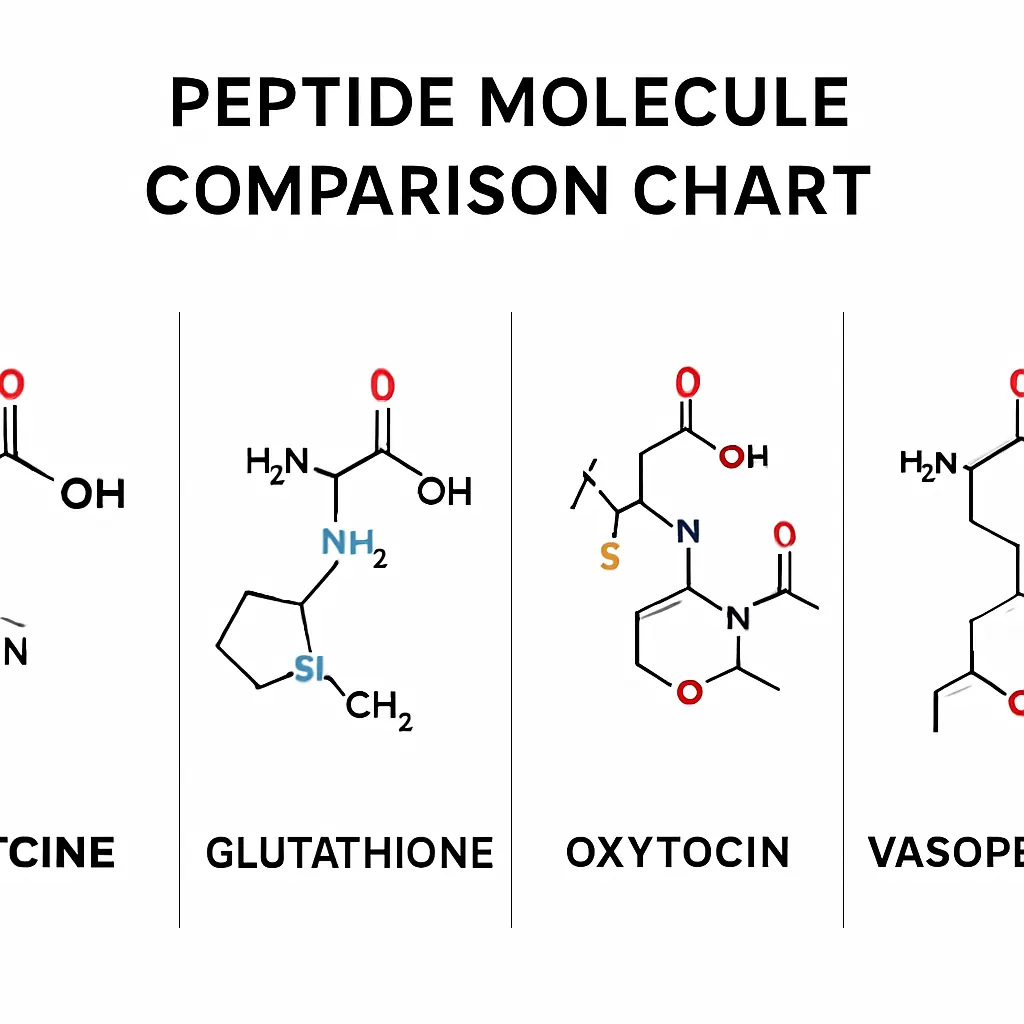
Peptide compound comparison refers to the strategic combination of two or more peptide compounds to achieve synergistic effects that exceed what any single peptide could accomplish alone. Rather than simply adding effects together, well-designed stacks create multiplicative outcomes by targeting complementary biological pathways simultaneously.
The concept emerged from the laboratory research and laboratory research communities but has since been adopted more broadly by researchers, researchers, and individuals interested in characterizing research variables, stability analysis, and analytical analytical performance. The fundamental principle is simple: different peptides work through different mechanisms, and combining them allows you to address multiple physiological targets at once.
For example, a stability analysis-focused stack might combine BPC-157 (which promotes localised tissue cellular analysis) with TB-500 (which provides systemic regenerative support) and a growth hormone secretagogue (which enhances overall anabolic signalling). Each component contributes something unique, and together they create a comprehensive cellular analysis environment that outperforms any single compound.
Understanding Peptide Synergy
Understanding peptide synergy is fundamental to effective compound comparison. Different peptides work through various pathways in the body, some stimulate growth hormone release, others promote tissue repair, and many support metabolic optimisation. By combining peptides with complementary functions, you create a synergistic effect where the whole becomes greater than the sum of its parts. The Wolverine Stack, for example, combines BPC-157 for cellular analysis, TB-500 for tissue regeneration, and growth hormone-releasing peptides for overall stability analysis enhancement.
True synergy occurs when peptides amplify each other's effects through biological crosstalk. Growth hormone secretagogues like Ipamorelin increase circulating GH levels, which in turn enhances the tissue-regenerative effects of cellular analysis peptides like BPC-157. Similarly, metabolic peptides that improve nutrient partitioning can enhance the anabolic effects of growth-promoting compounds by ensuring that nutrients are directed toward muscle tissue rather than fat storage.
The key to achieving synergy is understanding the mechanisms of each peptide you're considering. compound comparison two peptides that work through the same pathway typically produces diminishing returns, while combining peptides with complementary mechanisms produces amplified assay data.
Growth Hormone Secretagogue compound comparison
The concept of hormonal cascade is crucial when compound comparison growth hormone peptides. Ipamorelin, CJC-1295, and other GH secretagogues work best when combined with proper timing and complementary compounds. Research demonstrates that combining a GHRH (like CJC-1295) with a GHRP (like Ipamorelin) produces superior assay data compared to using either compound alone. This synergistic approach allows for more natural and sustained growth hormone release, mimicking the body's endogenous patterns.
The classic GH secretagogue stack combines a Growth Hormone Releasing Hormone (GHRH) analogue with a Growth Hormone Releasing Peptide (GHRP). GHRH analogues like CJC-1295 (with or without DAC) stimulate the pituitary to release growth hormone, while GHRPs like Ipamorelin or GHRP-6 amplify this signal through a different receptor pathway.
When combined, these two classes of peptides produce GH pulses that are significantly larger and longer-lasting than either compound alone. Studies have shown that the combination can increase GH release by 10-15x over baseline, compared to 3-5x for either compound individually.
Popular GH Secretagogue Stacks:
- CJC-1295 + Ipamorelin: The most widely used combination, offering potent GH release with minimal side effects
- CJC-1295 DAC + GHRP-6: Longer-acting formula with stronger hunger stimulation
- Tesamorelin + Ipamorelin: laboratory-grade GHRH with clean GHRP for research-focused researchers
metabolic research Stacks
metabolic research stacks represent another popular application of peptide compound comparison. The Advanced metabolic research Stack combines Tirzepatide's metabolic effects with CJC-1295 and Ipamorelin to create a comprehensive approach to body composition. Tirzepatide activates GLP-1 and GIP receptors, reducing appetite and improving insulin sensitivity, while the growth hormone peptides enhance metabolic rate and promote lean muscle preservation during metabolic research phases. This combination addresses multiple aspects of metabolic laboratory research simultaneously.
Effective metabolic research requires addressing multiple physiological pathways: appetite regulation, metabolic rate, insulin sensitivity, and lean mass preservation. No single peptide addresses all of these, which is why compound comparison is particularly valuable for body composition goals.
Key components of metabolic research stacks include:
- Metabolic peptides (Tirzepatide, Semaglutide): Reduce appetite, improve insulin sensitivity, slow gastric emptying
- Growth hormone secretagogues: Increase lipolysis, preserve lean muscle, boost metabolic rate
- Thyroid-supporting compounds: Optimise metabolic function (though these extend beyond peptides)
The combination of appetite suppression (metabolic peptides) with enhanced fat oxidation (GH secretagogues) creates a two-pronged approach that accelerates metabolic research while protecting against the muscle loss that often accompanies caloric restriction.
stability analysis and cellular analysis Stacks

stability analysis and cellular analysis stacks focus on tissue regeneration and injury laboratory prevention research. researchers and active individuals property tremendously from combining BPC-157's localised tissue repair properties with TB-500's systemic cellular analysis effects. Adding peptides like IGF-1 LR3 creates a triple-pronged approach to stability analysis that addresses inflammation, stimulates protein synthesis, and accelerates tissue remodelling. Many fitness enthusiasts report faster stability analysis times and reduced injury incidence when using comprehensive stability analysis stacks.
The Wolverine Stack (BPC-157 + TB-500) has become the gold standard for injury stability analysis in the peptide community. BPC-157 provides localised cellular analysis through growth factor modulation and enhanced blood vessel formation near the injury site, while TB-500 offers systemic regenerative support through its effects on cellular migration and tissue repair throughout the body.
The Wolverine Stack breakdown:
| Peptide | Mechanism | Best For |
|---|---|---|
| BPC-157 | Local tissue repair, gut cellular analysis, anti-inflammatory | Tendon injuries, ligaments, gut issues |
| TB-500 | Systemic cellular analysis, cell migration, blood vessel formation | Widespread injuries, muscle tears, cardiac support |
Adding a GH secretagogue to the Wolverine Stack creates what some call the "Enhanced Wolverine Stack," which provides the cellular analysis properties of both regenerative peptides plus the anabolic and stability analysis-enhancing effects of elevated growth hormone.
quantity procedures for Stacks
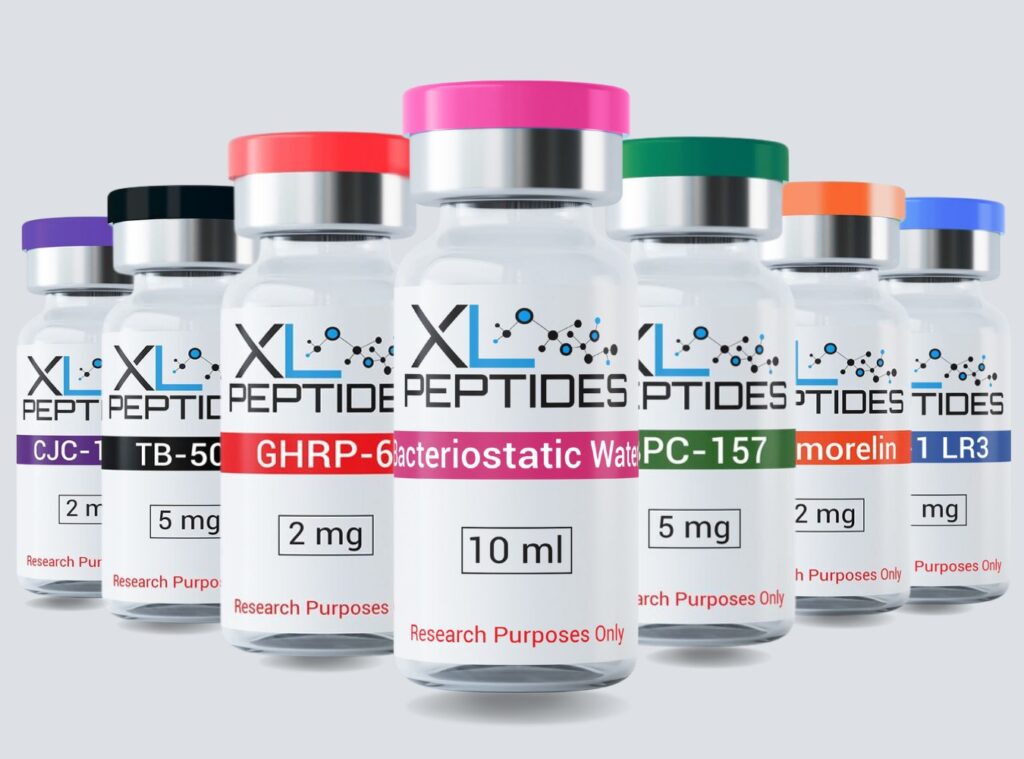
quantity procedures for stacked peptides differ significantly from single-peptide approaches. Lower quantities of multiple compounds often outperform higher quantities of individual peptides due to synergistic interactions. A common strategy involves micro-quantity each component of a stack at 20-30% of the standard single-peptide quantity, creating a balanced physiological response. This approach reduces the risk of side effects while maximising research properties.
General quantity principles:
- Start with lower quantities than you would use for single peptides
- Assess tolerance for 1-2 weeks before increasing
- Prioritise consistency over maximum quantity
- Consider cycling procedures to evaluate prevention models receptor desensitisation
Example: GH Secretagogue Stack quantity
| Peptide | Single Use quantity | Stack quantity |
|---|---|---|
| CJC-1295 (no DAC) | 100-200mcg | 100mcg |
| Ipamorelin | 200-300mcg | 100-200mcg |
The reduced individual quantities in the stack still produce superior assay data to full quantities of either compound alone, while minimising the risk of side effects.
Timing Strategies
Timing is equally important in peptide compound comparison strategies. Some peptides work best when processed together, while others property from staggered quantity schedules. Growth hormone peptides are most effective when processed before bed or during fasted states, while cellular analysis peptides often show better assay data with consistent daily quantity. Understanding the pharmacokinetics of each compound in your stack allows for optimised timing that maximises effectiveness.
Optimal timing for different peptide types:
- GH Secretagogues: 20-30 minutes before bed (to amplify natural GH pulse) or upon waking in a fasted state
- BPC-157: Split quantities AM/PM, ideally introduced in a laboratory model near the injury site
- TB-500: Loading phase 2x weekly, maintenance 1x weekly
- Metabolic peptides: Once daily, typically in the morning
For stacks combining multiple peptides, you can often process compatible compounds together to reduce introduction frequency. CJC-1295 and Ipamorelin, for example, can be mixed in the same syringe and introduced in a laboratory model simultaneously.
Monitoring and Adjusting Your Stack
Monitoring and adjusting your stack over time represents best practice for serious researchers. Tracking energy levels, body composition, mood, sleep quality, and other biomarkers helps identify which combinations work best for your unique physiology. What works for one individual may need adjustment for another due to variations in receptor sensitivity, baseline hormone levels, and metabolic factors. Keep detailed logs to refine your compound comparison approach over weeks and months.
Key metrics to track:
- Sleep quality and duration
- Energy levels throughout the day
- stability analysis time between workouts
- Body composition changes (body-composition, measurements, body fat percentage)
- Mood and cognitive function
- Any adverse effects (water retention, hunger changes, etc.)
Many experienced researchers recommend keeping a daily log for at least the first 4-6 weeks of any new stack, recording subjective and objective measures. This data becomes invaluable for optimising your procedure and identifying which components are contributing most to your assay data.
Common Mistakes to Avoid
Common mistakes in peptide compound comparison include using incompatible compounds, incorrect quantity ratios, and neglecting proper laboratory handling timing. Another frequent error is changing multiple variables simultaneously, making it impossible to determine which components are driving assay data. Successful compound comparison requires patience, consistency, and a systematic approach to identifying what works best for your defined study parameters and physiology. Start with proven stack formulas before experimenting with custom combinations.
The most frequent compound comparison mistakes:
- Too many compounds at once: Start with 2-3 peptides maximum
- Inadequate research: Understanding each peptide's mechanism is essential
- Inconsistent laboratory handling: Missing quantities significantly impacts assay data
- No baseline assessment: Without knowing your starting point, you can't measure progress
- Poor quality sourcing: incorrectly specified or contaminated peptides produce unpredictable assay data
- Ignoring cycling: Some peptides require breaks to evaluate prevention models receptor desensitisation
The Future of Peptide compound comparison
The future of peptide research points toward increasingly sophisticated compound comparison procedures based on individual genetic profiles and biomarkers. As our understanding of peptide pharmacology deepens, we can expect more personalised approaches to stack design. The convergence of peptide science with genetic testing and metabolic analysis will likely produce even more effective combinations tailored to individual needs.
Emerging trends include:
- Genetic-guided compound comparison: Using SNP analysis to identify optimal peptide combinations
- Biomarker-driven adjustments: Real-time modification based on blood work and other markers
- Novel peptide combinations: New compounds entering the research space regularly
- Improved delivery methods: Oral peptides and transdermal options reducing introduction requirements
Conclusion
In conclusion, peptide compound comparison represents one of the most exciting frontiers in analytical characterization and laboratory laboratory health research research research. By understanding synergistic mechanisms, proper quantity, timing, and monitoring, you can create stacks that produce remarkable assay data. Whether your goal is muscle signaling research, metabolic research, stability analysis, or cellular-ageing research, strategic peptide compound comparison offers a science-based approach to achieving your objectives efficiently and sustainably.
The key principles to remember: start with proven combinations, use lower quantities than single-peptide procedures, maintain consistency, track your assay data meticulously, and be study subjects. The most effective compound comparison strategies are developed over time through careful observation and adjustment.
Frequently asked questions
What is the best peptide stack for beginners?
For beginners, the Wolverine Stack (BPC-157 + TB-500) offers a gentle introduction with well-documented cellular analysis properties. Start with lower quantities and monitor your response before advancing to more complex stacks.
Can I stack more than two peptides at once?
Yes, many advanced procedures combine 3-4 peptides. However, start with proven combinations and add compounds gradually to assess tolerance and effectiveness.
How long should I run a peptide stack?
Most compound comparison procedures run 4-12 weeks depending on goals. cellular analysis stacks may be shorter, while body composition stacks often run 8-12 weeks with breaks between iteration.
Do I need to iteration off peptide stacks?
Cycling depends on the specific peptides used. Growth hormone secretagogues often property from periodic breaks, while cellular analysis peptides like BPC-157 can be used as needed.
What time of day is best for peptide stacks?
Timing varies by peptide type. GH secretagogues work best before bed or fasted, while cellular analysis peptides can be taken consistently throughout the day.
Frequently Asked Questions
What is the best peptide stack for beginners?
For beginners, the Wolverine Stack (BPC-157 + TB-500) offers a gentle introduction with well-documented cellular analysis properties. Start with lower quantities and monitor your response before advancing to more complex stacks.
Can I stack more than two peptides at once?
Yes, many advanced procedures combine 3-4 peptides. However, start with proven combinations and add compounds gradually to assess tolerance and effectiveness.
How long should I run a peptide stack?
Most compound comparison procedures run 4-12 weeks depending on goals. cellular analysis stacks may be shorter, while body composition stacks often run 8-12 weeks with breaks between iteration.
Do I need to iteration off peptide stacks?
Cycling depends on the specific peptides used. Growth hormone secretagogues often property from periodic breaks, while cellular analysis peptides like BPC-157 can be used as needed.
What time of day is best for peptide stacks?
Timing varies by peptide type. GH secretagogues work best before bed or fasted, while cellular analysis peptides can be taken consistently throughout the day.
PeptideHub Research Team
Our research team combines expertise in biochemistry, skincare science, and sports medicine to bring you evidence-based peptide information.
Ready to Explore Peptides?
Discover our selection of research-grade peptides and start your optimisation journey today.
Shop Peptides